Popular
Per person, price varies by group size.
Seven parks, seven unforgettable nights
The 7-Day Ultimate Kenya Safari is a 7-day, 6-night private safari from Watamu visiting Masai Mara, Lake Nakuru, Amboseli, Tsavo East, Tsavo West. It suits travellers who are happy with long driving days, with Great Wildebeest Migration and Mzima Springs snorkelling among the highlights. Prices are quoted per trip. The most reliable months are June, July, August, when the Rift Valley lakes is usually dry.
| Duration | 7 days / 6 nights |
|---|---|
| Start / finish | Watamu → Watamu |
| Parks and reserves | Masai Mara, Lake Nakuru, Amboseli, Tsavo East, Tsavo West |
| Price | Quoted per trip — no fixed from-price published |
| Group type | Private or small group — confirm at booking |
| Pace | Active — long driving days between parks |
| Best months | June, July, August, September and October. Good: January, February, March and December. Least reliable: April |
| Minimum age | Not published — confirm with our team |
Program reviewed 2026-11-18. Wildlife sightings, seasons and lodge availability are never guaranteed.
Bahari Asili quotes the 7-Day Ultimate Kenya Safari per trip rather than per seat. The figure depends on your dates, lodge or camp tier, the number of travellers and children’s ages, so no fixed from-price is published. Ask for a dated quote and you receive a written breakdown of accommodation, park fees, vehicle and guide before you commit.
High season in Kenya is roughly July–October and the Christmas/New Year period; April–May and November are normally the lowest-priced months. These are market patterns, not a published price list — confirm current rates with the team.
Prices last reviewed 2026-11-18.
For the 7-Day Ultimate Kenya Safari, the strongest months are June, July, August, September and October, then January, February, March and December, when the Rift Valley lakes is normally dry and wildlife concentrates near water. April is the least reliable because of the long or short rains. Wildlife sightings are never guaranteed, and rain dates shift from year to year.
| Month | Rating | What to expect |
|---|---|---|
| January | Good | Dry and clear; good rhino and bird viewing at the Rift Valley lakes. |
| February | Good | Dry and hot, with excellent visibility over the lakes. |
| March | Good | Dry until late March, when the long rains begin. |
| April | Not ideal | Long rains: muddy tracks and reduced visibility around the lakes. |
| May | Fair | Rains ease; the lakes are full and the countryside is green. |
| June | Excellent | Dry season starts; rhino and predator viewing improves. |
| July | Excellent | Peak dry season around the lakes and rhino sanctuaries. |
| August | Excellent | Clear and dry, with strong wildlife viewing and birdlife. |
| September | Excellent | Good dry-season viewing around the lake shore and forest. |
| October | Excellent | Dry for most of the month; the short rains start late on. |
| November | Fair | Short rains: green, quiet and good value, with afternoon storms. |
| December | Good | Drying out; good viewing and busy holiday demand. |
Season pattern follows the Kenya Meteorological Department’s two rainy seasons (long rains March–May, short rains October–December) and the dry seasons June–October and January–February. Dates vary by year and by park.
This is a long safari — 7 days with 6 park transfers — so it suits older children and teenagers better than toddlers. Families with younger children usually find a 2–4 day Tsavo or Amboseli safari easier. Minimum age is not published for this programme: confirm it with our team before booking.
Older travellers in reasonable health do this safari, but it is not a gentle itinerary: 7 days, 6 park transfers and long days in a 4x4. Guests with limited mobility should ask us to check each lodge for step-free access and bathroom adaptations before booking.
Pack light, neutral-coloured layers for warm days and cool early mornings, closed-toe shoes, sun and insect protection, and your camera and binoculars. A soft bag is easier to load into a 4x4 than a hard case. Anything you forget can usually be bought in Watamu or Malindi before departure.
Kenya’s game parks carry malaria risk, so the CDC advises prescription prophylaxis for this trip, and yellow-fever vaccination is recommended for Tsavo, the Mara and Nakuru. Travel insurance with medical evacuation is strongly advised. This is general guidance, not medical advice — confirm vaccinations, medication and entry rules with a travel doctor and the official Kenya eTA portal before you travel.
General guidance only, not medical advice. Confirm vaccinations, malaria tablets and entry requirements with a travel health professional and the official Kenya eTA portal.
It is quoted per trip, not per seat. Your price depends on dates, lodge tier, group size and children’s ages, and Bahari Asili sends a written breakdown before you commit. High season is roughly July–October and Christmas; April–May and November are usually the lowest-priced months.
Included: KWS park entry fees; 4x4 safari vehicle with pop-up roof; English & Italian-speaking driver-guide; Full board (breakfast, lunch, dinner); Drinking water during game drives; All accommodation as per itinerary; Airport / hotel pickup & drop-off. Not included: International & domestic flights; Visa fees; Travel & medical insurance; Tips and gratuities for guides & staff; Alcoholic & premium bottled drinks; Personal expenses & souvenirs; Optional activities (balloon safaris, spa, etc.).
Best months: June, July, August, September and October. Good: January, February, March and December. Least reliable: April. For the 7-Day Ultimate Kenya Safari, the strongest months are June, July, August, September and October, then January, February, March and December, when the Rift Valley lakes is normally dry and wildlife concentrates near water. April is the least reliable because of the long or short rains. Wildlife sightings are never guaranteed, and rain dates shift from year to year.
This is a long safari — 7 days with 6 park transfers — so it suits older children and teenagers better than toddlers. Families with younger children usually find a 2–4 day Tsavo or Amboseli safari easier. Minimum age is not published for this programme: confirm it with our team before booking. Daily rhythm: 7 days, with 6 park transfers and early starts for game drives.
Older travellers in reasonable health do this safari, but it is not a gentle itinerary: 7 days, 6 park transfers and long days in a 4x4. Guests with limited mobility should ask us to check each lodge for step-free access and bathroom adaptations before booking. Vehicle step height and the availability of a step stool vary by vehicle — ask us to confirm for your dates.
Pack light, neutral-coloured layers for warm days and cool early mornings, closed-toe shoes, sun and insect protection, and your camera and binoculars. A soft bag is easier to load into a 4x4 than a hard case. Anything you forget can usually be bought in Watamu or Malindi before departure. Key items: High SPF sunscreen (50+), Tropical insect repellent (DEET-based), Wide-brim hat, Light long-sleeved shirts and trousers (neutral colours), Swimwear and flip-flops for lodge pool, Warm fleece or light down layer for early-morning game drives, English 3-pin plug adapter (Type G), Binoculars (7x50 or 10x42).
Kenya’s game parks carry malaria risk, so the CDC advises prescription prophylaxis for this trip, and yellow-fever vaccination is recommended for Tsavo, the Mara and Nakuru. Travel insurance with medical evacuation is strongly advised. This is general guidance, not medical advice — confirm vaccinations, medication and entry rules with a travel doctor and the official Kenya eTA portal before you travel.
It runs for 7 days and 6 nights, starting in Watamu and finishing in Watamu. It visits Masai Mara, Lake Nakuru, Amboseli, Tsavo East, Tsavo West.
Select a numbered marker or a day below to follow the route across Kenya.
Watamu → Lake Nakuru. Long drive from Watamu to the Rift Valley. Game drive: flamingos, rhinos, lions in Lake Nakuru. Milimani Hotel Nakuru
Lake Nakuru → Masai Mara. Morning Nakuru drive, then transfer to the Mara. Arrival game drive on the Mara plains. Sentrim Mara
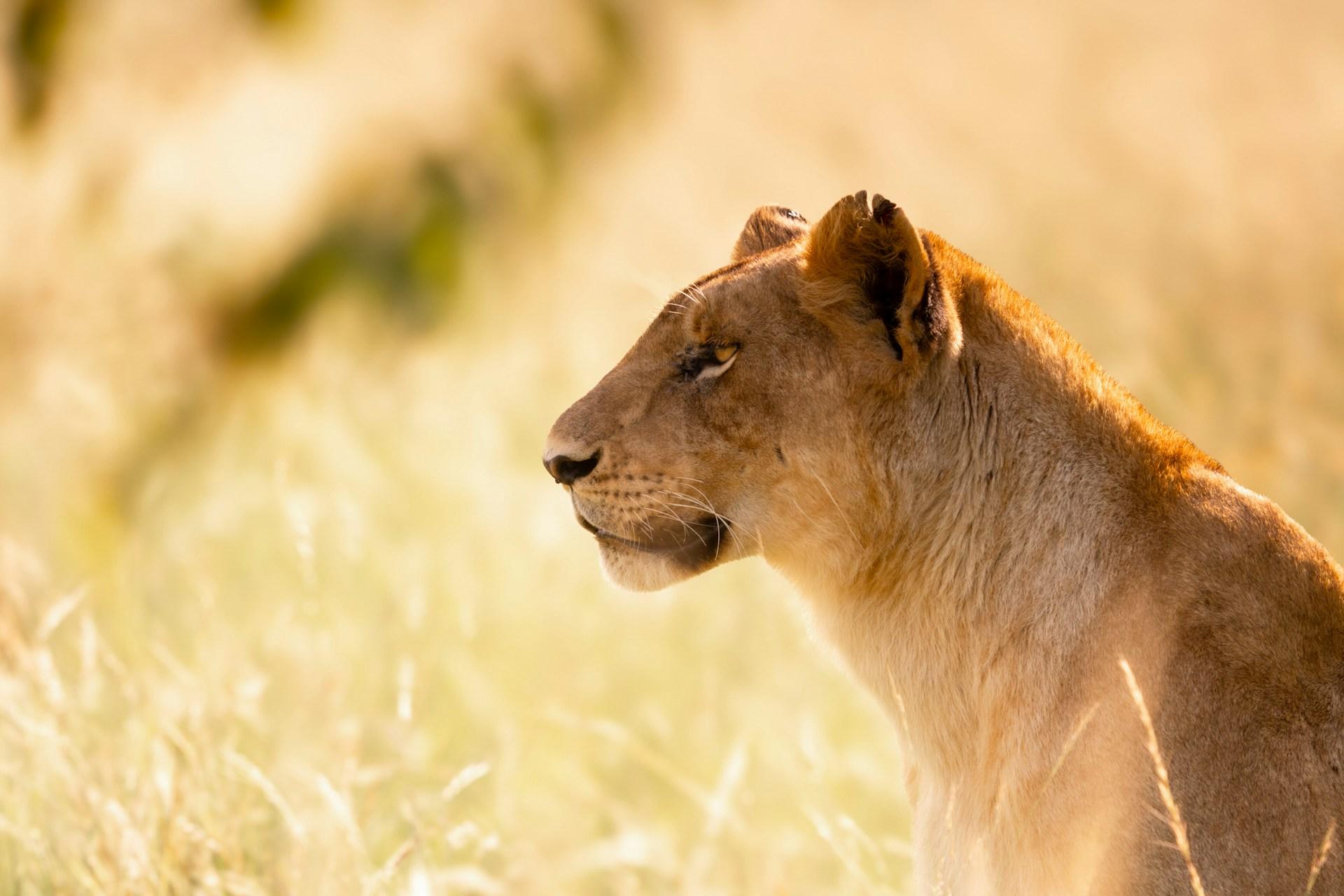
Full day Masai Mara. All-day game drive: wildebeest crossing, cheetahs, leopards, lions. Maasai village visit and cultural experience. Sentrim Mara
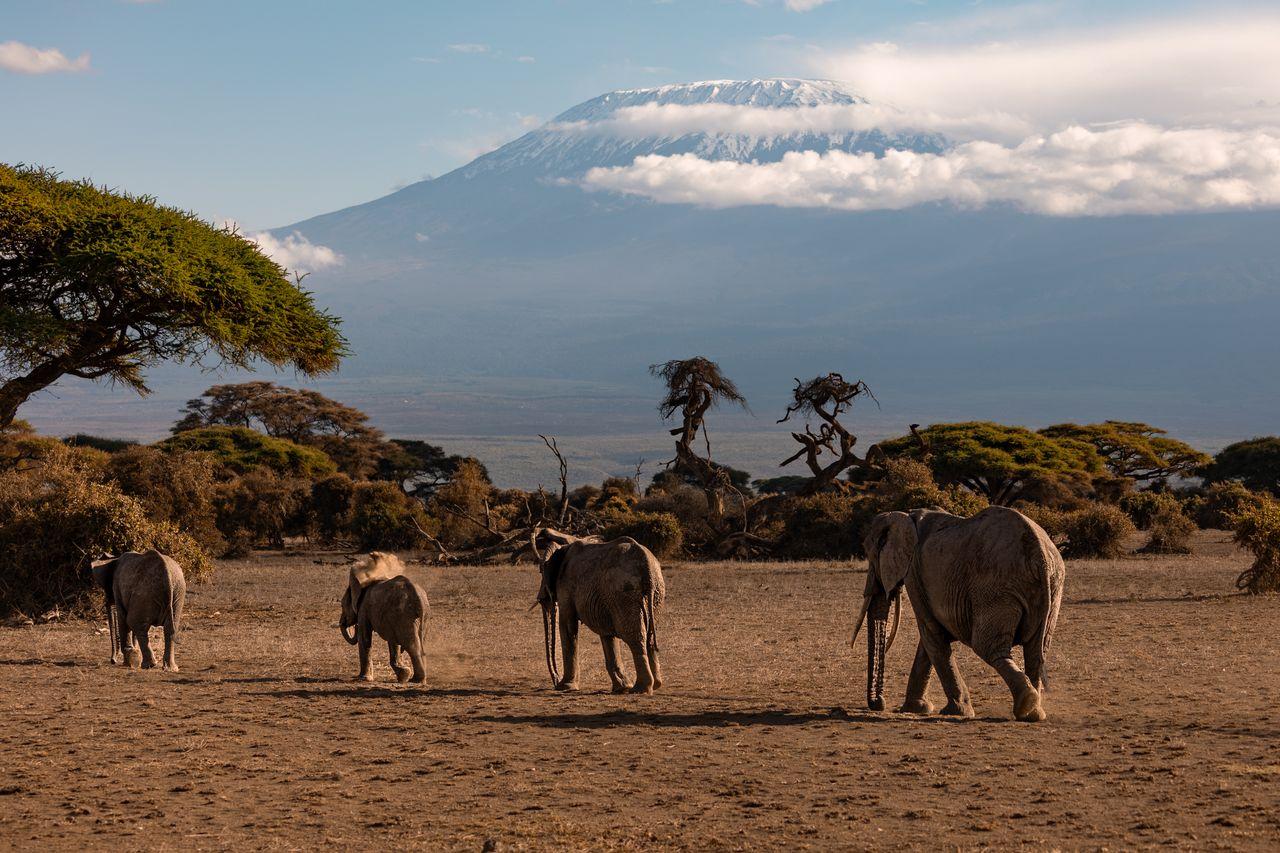
Masai Mara → Amboseli. Sunrise Mara drive, then transfer south. Amboseli game drive — Kilimanjaro at sunset. AA Lodge Amboseli
Amboseli → Tsavo West. Dawn elephant watch at Amboseli swamp. Transfer to Tsavo West. Mzima Springs hippos and crocodiles. Shetani Lava walk. Kilima Camp
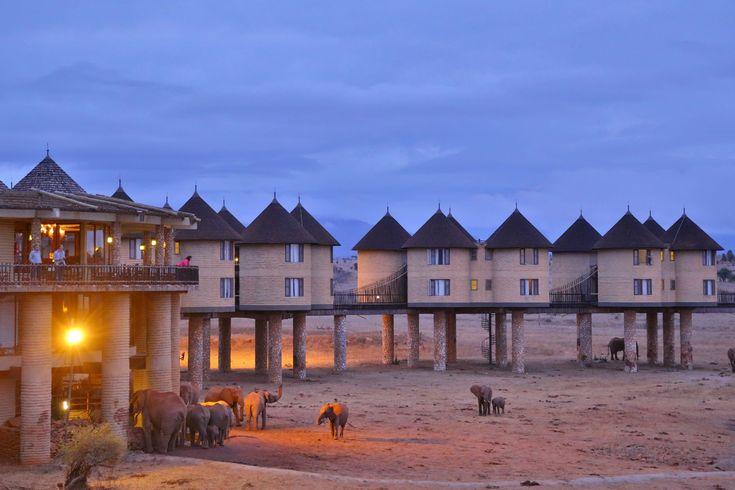
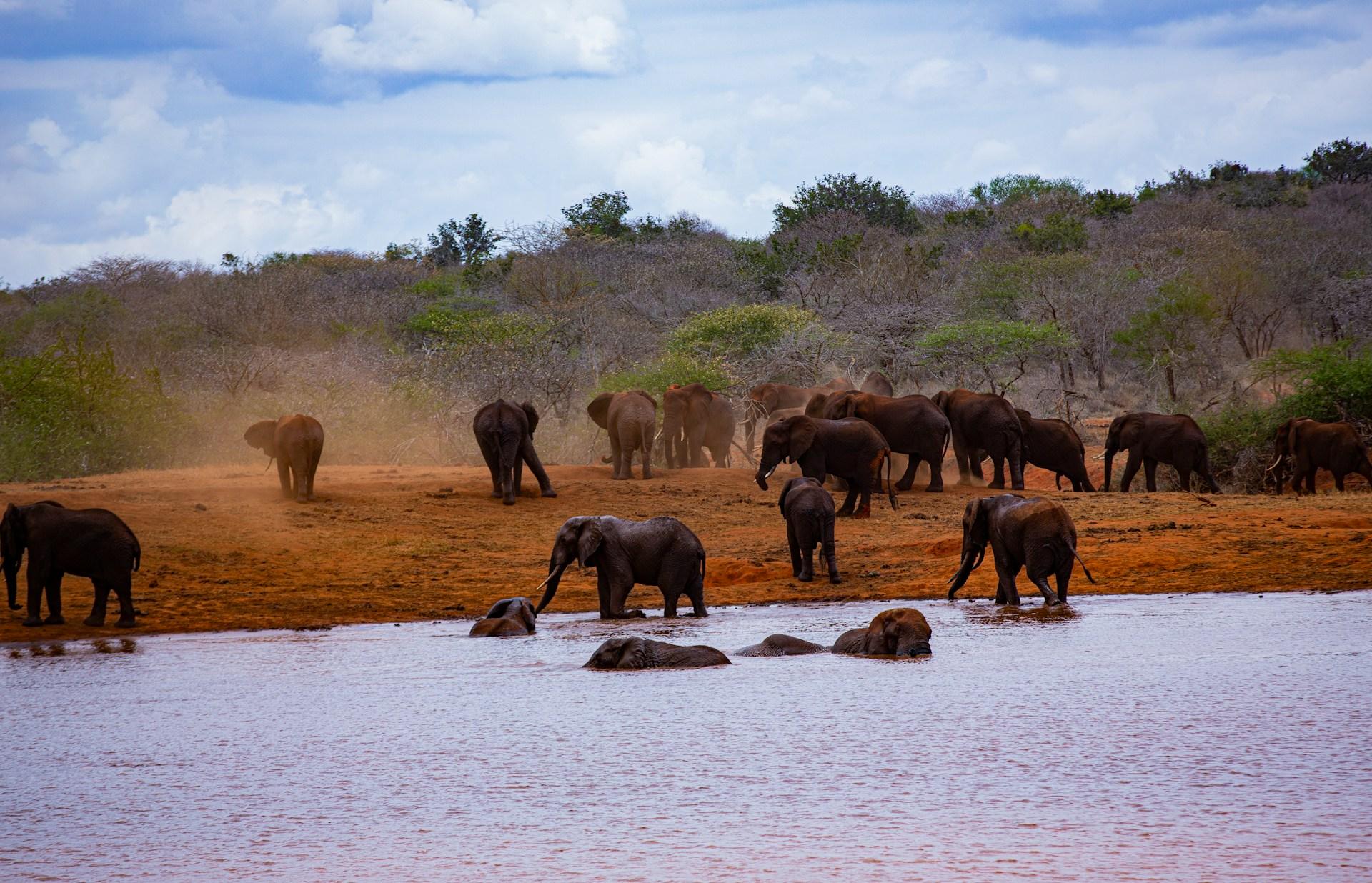
Tsavo West → Tsavo East. Morning drive in Tsavo West. Transfer to Tsavo East via Tsavo River. Afternoon game drive: red elephants, Mudanda Rock. Voi Wildlife Lodge
Tsavo East → Watamu. Sunrise drive: Aruba Dam and Galana River. Return to Watamu coast. Return to Watamu
Tsavo: June–October (dry season) offers the best game viewing as animals gather near rivers and waterholes. November–May is greener and quieter, with fewer vehicles on the tracks.
Masai Mara: July–October for the migration and river crossings. The Mara has good game viewing year-round, but the dry season (Jun–Oct) concentrates wildlife most predictably.
Aggregate rating from our travellers.