3 days / 2 nights
Ngorongoro Conservation Area
3/5
4/5
Mid-range
Per person, price varies by group size.
Why This Safari
Wildlife in an extraordinary volcanic amphitheatre
Crater floor wildlifeLion and hyenaElephants and buffaloRift Valley views
3-Day Ngorongoro Crater Safari at a glance
The 3-Day Ngorongoro Crater Safari is a 3-day, 2-night private safari from Arrive Ngorongoro visiting Ngorongoro Conservation Area. It suits couples, families and small groups, with Crater floor wildlife and Lion and hyena among the highlights. Prices are quoted per trip. The most reliable months are June, July, August, when northern Tanzania is usually dry.
| Duration | 3 days / 2 nights |
|---|---|
| Start / finish | Arrive Ngorongoro → onward |
| Parks and reserves | Ngorongoro Conservation Area |
| Price | Quoted per trip — no fixed from-price published |
| Group type | Private or small group — confirm at booking |
| Pace | Moderate — several transfers and early starts |
| Best months | June, July, August, September and October. Good: January, February and December. Least reliable: April |
| Minimum age | Not published — confirm with our team |
Program reviewed 2026-11-18. Wildlife sightings, seasons and lodge availability are never guaranteed.
How much does the 3-Day Ngorongoro Crater Safari cost?
Bahari Asili quotes the 3-Day Ngorongoro Crater Safari per trip rather than per seat. The figure depends on your dates, lodge or camp tier, the number of travellers and children’s ages, so no fixed from-price is published. Ask for a dated quote and you receive a written breakdown of accommodation, park fees, vehicle and guide before you commit.
What is included
- ✓ Park/conservation fees as applicable
- ✓ 4x4 safari vehicle
- ✓ Professional driver-guide
- ✓ Accommodation as listed
- ✓ Meals as listed
- ✓ Drinking water during game drives
- ✓ Hotel/airport pickup and drop-off
What is not included
- ✕ Flights
- ✕ Visa fees
- ✕ Travel insurance
- ✕ Tips and gratuities
- ✕ Alcohol and premium drinks
- ✕ Personal expenses
- ✕ Optional activities
What changes the price
- Travel dates: park fees and lodge rates change between high and green season.
- Accommodation tier: the lodges and camps in this itinerary can often be swapped for a different comfort level.
- Group size: the vehicle, guide and fuel are shared across the travellers on the trip.
- Children’s ages: child rates and park-fee concessions depend on age and on each lodge’s policy.
- Optional extras such as a hot-air balloon, extra park days or domestic flights.
High season in Kenya is roughly July–October and the Christmas/New Year period; April–May and November are normally the lowest-priced months. These are market patterns, not a published price list — confirm current rates with the team.
Prices last reviewed 2026-11-18.
When is the best time to do the 3-Day Ngorongoro Crater Safari?
For the 3-Day Ngorongoro Crater Safari, the strongest months are June, July, August, September and October, then January, February and December, when northern Tanzania is normally dry and wildlife concentrates near water. April is the least reliable because of the long or short rains. Wildlife sightings are never guaranteed, and rain dates shift from year to year.
| Month | Rating | What to expect |
|---|---|---|
| January | Good | Short dry season: good predator viewing on the southern plains. |
| February | Good | Dry and clear, with strong game viewing in the crater highlands. |
| March | Fair | Hot and dry early, then the long rains begin. |
| April | Not ideal | Long rains: many camps close and some roads become impassable. |
| May | Fair | Rains ease slowly; green and quiet, with lower rates. |
| June | Excellent | Dry season starts; the Serengeti herds move north and west. |
| July | Excellent | Peak season: dry plains, big cats and the northern migration. |
| August | Excellent | Prime dry-season viewing, with cool mornings. |
| September | Excellent | Dry and reliable, with strong predator sightings. |
| October | Excellent | Dry until the short rains arrive late in the month. |
| November | Fair | Short rains: green, quiet and good value. |
| December | Good | Drying out, with good viewing across the northern circuit. |
Season pattern follows the Kenya Meteorological Department’s two rainy seasons (long rains March–May, short rains October–December) and the dry seasons June–October and January–February. Dates vary by year and by park.
Is the 3-Day Ngorongoro Crater Safari suitable for children?
This safari is manageable for most families with school-age children: 3 days, 1 park transfer and a moderate pace. Younger children may find the driving days long. Minimum age is not published for this programme, so confirm it with our team before booking.
- Daily rhythm: 3 days, with 1 park transfer and early starts for game drives.
- Most of the wildlife viewing is done seated in the vehicle, which suits children who are comfortable with longer drives.
- Child seats and booster seats are not listed as standard equipment — ask before booking if you need one.
- Malaria precautions, sun protection and long trousers for evening drives matter more for children than adults.
- Family rooms and connecting rooms depend on the lodge; tell us the ages at the quote stage so the right room type is held.
Is it suitable for older travellers or guests with limited mobility?
This is a vehicle-based safari with relatively little walking, which suits many older travellers. The main practical questions are the height of the 4x4 step, the distance from the vehicle to the room and whether the lodge has ground-floor rooms. We check those per lodge before confirming.
- Most viewing is seated in a 4x4 vehicle with a pop-up roof; walking is limited to lodge grounds, viewpoints and short stops.
- The itinerary involves 1 park transfer, so there are long driving days between destinations.
- Vehicle step height and the availability of a step stool vary by vehicle — ask us to confirm for your dates.
- Lodge layouts differ: some rooms are a short walk from the main area, and not every camp advertises step-free access.
- Tell us about walking aids, oxygen, dietary needs or medication at the quote stage so lodges and the guide can plan around them.
What should I pack for the 3-Day Ngorongoro Crater Safari?
Pack light, neutral-coloured layers for warm days and cool early mornings, closed-toe shoes, sun and insect protection, and your camera and binoculars. A soft bag is easier to load into a 4x4 than a hard case. Anything you forget can usually be bought in Watamu or Malindi before departure.
Sun and insect protection
- Sun protection
Clothing (neutral colours, layers)
- Light neutral clothing
Footwear
- Comfortable walking shoes
Camera, optics and wildlife watching
- Binoculars
- Camera and spare battery
Other essentials
- Reusable water bottle
What is supplied, and what to check
- Drinking water during game drives is included in this programme.
- Binoculars are not listed as supplied — bring your own if wildlife watching matters to you.
- Drones are prohibited in Kenya’s national parks and reserves.
Is the 3-Day Ngorongoro Crater Safari safe? Health, vaccinations and insurance
Kenya’s game parks carry malaria risk, so the CDC advises prescription prophylaxis for this trip, and yellow-fever vaccination is recommended for Tsavo, the Mara and Nakuru. Travel insurance with medical evacuation is strongly advised. This is general guidance, not medical advice — confirm vaccinations, medication and entry rules with a travel doctor and the official Kenya eTA portal before you travel.
- Malaria: the CDC advises travellers to Kenya to take prescription malaria prophylaxis for all areas below 2,500 m, including the game parks. Start and finish dates depend on the medicine your doctor chooses.
- Yellow fever: NaTHNaC recommends yellow fever vaccination from 9 months of age for travellers to Tsavo East, Tsavo West, the Masai Mara and Lake Nakuru. Kenya can require proof of vaccination if you arrive from a country with yellow-fever risk, so carry your certificate.
- Routine vaccinations: be up to date with MMR, diphtheria-tetanus-polio and hepatitis A; hepatitis B, typhoid and rabies are worth discussing with a travel clinic for longer trips.
- Food and water: drink sealed or filtered water, avoid ice from unknown sources, and eat fruit you have peeled yourself.
- Insect protection: repellent containing 20% or more DEET, long sleeves and trousers after dusk, and a mosquito net where the lodge provides one.
- Heat and sun: daytime temperatures can pass 30°C. Carry water, use high-factor sunscreen and a hat, and take the midday break seriously.
- Travel insurance: choose a policy that covers medical treatment and evacuation in remote areas, and declare any pre-existing conditions.
- Wildlife safety: stay in the vehicle unless your guide says it is safe to get out, never walk between vehicles after dark, follow lodge escort rules at night, and never feed or approach animals.
- Emergency contacts: Bahari Asili Safaris +254 101 923 355 (call or WhatsApp). Kenya’s national emergency numbers are 999 and 112.
Sources
- CDC — Kenya traveler view
- CDC Yellow Book — African safaris and climbing expeditions
- NaTHNaC — Kenya
- Kenya eTA (official entry portal)
General guidance only, not medical advice. Confirm vaccinations, malaria tablets and entry requirements with a travel health professional and the official Kenya eTA portal.
3-Day Ngorongoro Crater Safari — frequently asked questions
How much does the 3-Day Ngorongoro Crater Safari cost?
It is quoted per trip, not per seat. Your price depends on dates, lodge tier, group size and children’s ages, and Bahari Asili sends a written breakdown before you commit. High season is roughly July–October and Christmas; April–May and November are usually the lowest-priced months.
What is included in the 3-Day Ngorongoro Crater Safari?
Included: Park/conservation fees as applicable; 4x4 safari vehicle; Professional driver-guide; Accommodation as listed; Meals as listed; Drinking water during game drives; Hotel/airport pickup and drop-off. Not included: Flights; Visa fees; Travel insurance; Tips and gratuities; Alcohol and premium drinks; Personal expenses; Optional activities.
What is the best time of year for the 3-Day Ngorongoro Crater Safari?
Best months: June, July, August, September and October. Good: January, February and December. Least reliable: April. For the 3-Day Ngorongoro Crater Safari, the strongest months are June, July, August, September and October, then January, February and December, when northern Tanzania is normally dry and wildlife concentrates near water. April is the least reliable because of the long or short rains. Wildlife sightings are never guaranteed, and rain dates shift from year to year.
Is the 3-Day Ngorongoro Crater Safari suitable for children?
This safari is manageable for most families with school-age children: 3 days, 1 park transfer and a moderate pace. Younger children may find the driving days long. Minimum age is not published for this programme, so confirm it with our team before booking. Daily rhythm: 3 days, with 1 park transfer and early starts for game drives.
Can older travellers or guests with limited mobility do this safari?
This is a vehicle-based safari with relatively little walking, which suits many older travellers. The main practical questions are the height of the 4x4 step, the distance from the vehicle to the room and whether the lodge has ground-floor rooms. We check those per lodge before confirming. Vehicle step height and the availability of a step stool vary by vehicle — ask us to confirm for your dates.
What should I pack for the 3-Day Ngorongoro Crater Safari?
Pack light, neutral-coloured layers for warm days and cool early mornings, closed-toe shoes, sun and insect protection, and your camera and binoculars. A soft bag is easier to load into a 4x4 than a hard case. Anything you forget can usually be bought in Watamu or Malindi before departure. Key items: Sun protection, Light neutral clothing, Comfortable walking shoes, Binoculars, Camera and spare battery, Reusable water bottle.
Is the 3-Day Ngorongoro Crater Safari safe, and what health precautions do I need?
Kenya’s game parks carry malaria risk, so the CDC advises prescription prophylaxis for this trip, and yellow-fever vaccination is recommended for Tsavo, the Mara and Nakuru. Travel insurance with medical evacuation is strongly advised. This is general guidance, not medical advice — confirm vaccinations, medication and entry rules with a travel doctor and the official Kenya eTA portal before you travel.
How many days is the 3-Day Ngorongoro Crater Safari, and where does it start and finish?
It runs for 3 days and 2 nights, starting in Arrive Ngorongoro and finishing in onward. It visits Ngorongoro Conservation Area.
Plan the rest of your trip
Day 1Arrive Ngorongoro
Morning
Travel into the crater highlands.
Afternoon
Cultural or scenic experience.
Overnight
Ngorongoro lodge/camp
Day 2Ngorongoro Crater
Morning
Early descent into the crater.
Afternoon
Extended crater game drive and picnic.
Overnight
Ngorongoro lodge/camp
Day 3Ngorongoro → onward
Morning
Morning crater/highland experience.
Afternoon
Departure after breakfast.
Overnight
End of safari
Arrive Ngorongoro. Travel into the crater highlands. Cultural or scenic experience. Ngorongoro lodge/camp
Ngorongoro Crater. Early descent into the crater. Extended crater game drive and picnic. Ngorongoro lodge/camp
Ngorongoro → onward. Morning crater/highland experience. Departure after breakfast. End of safari
Accommodation
Ngorongoro lodge/camp
Best Time to Go
June–October is a popular dry-season window for clear conditions and concentrated wildlife. January–March brings green landscapes and calving activity in the wider ecosystem.
Wildlife You May See
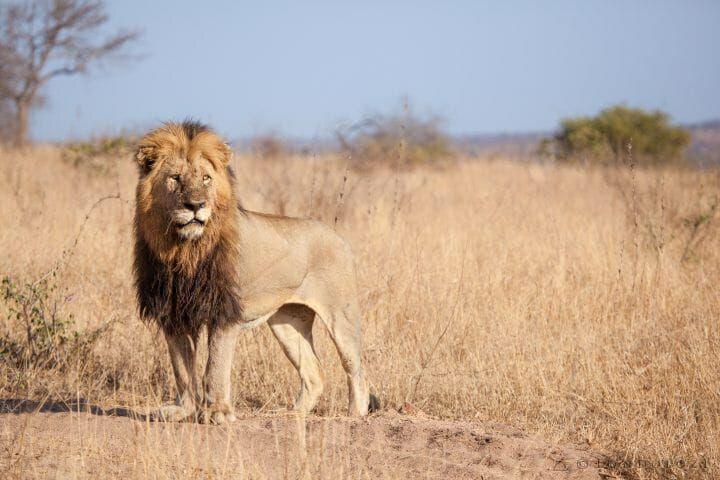
- High-density lion and hyena populations
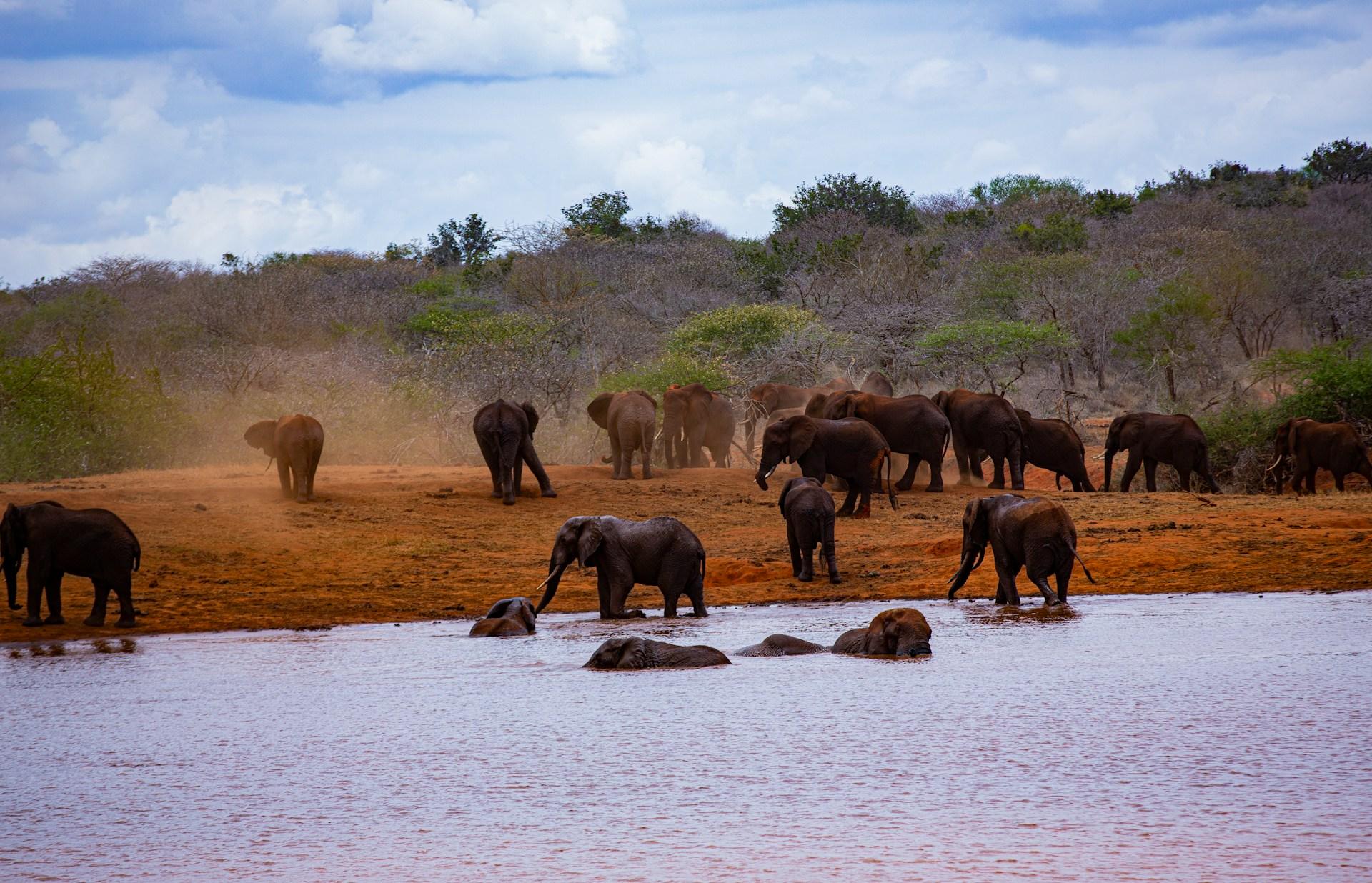
- Elephants and large buffalo herds
- Hippos in crater wetlands
- One of the stronger northern Tanzania destinations for rhino sightings
Reviews
Aggregate rating from our travellers.