Safari Guide
5 Things to Know Before Your First Kenya Safari
By Admin · 9/29/2026
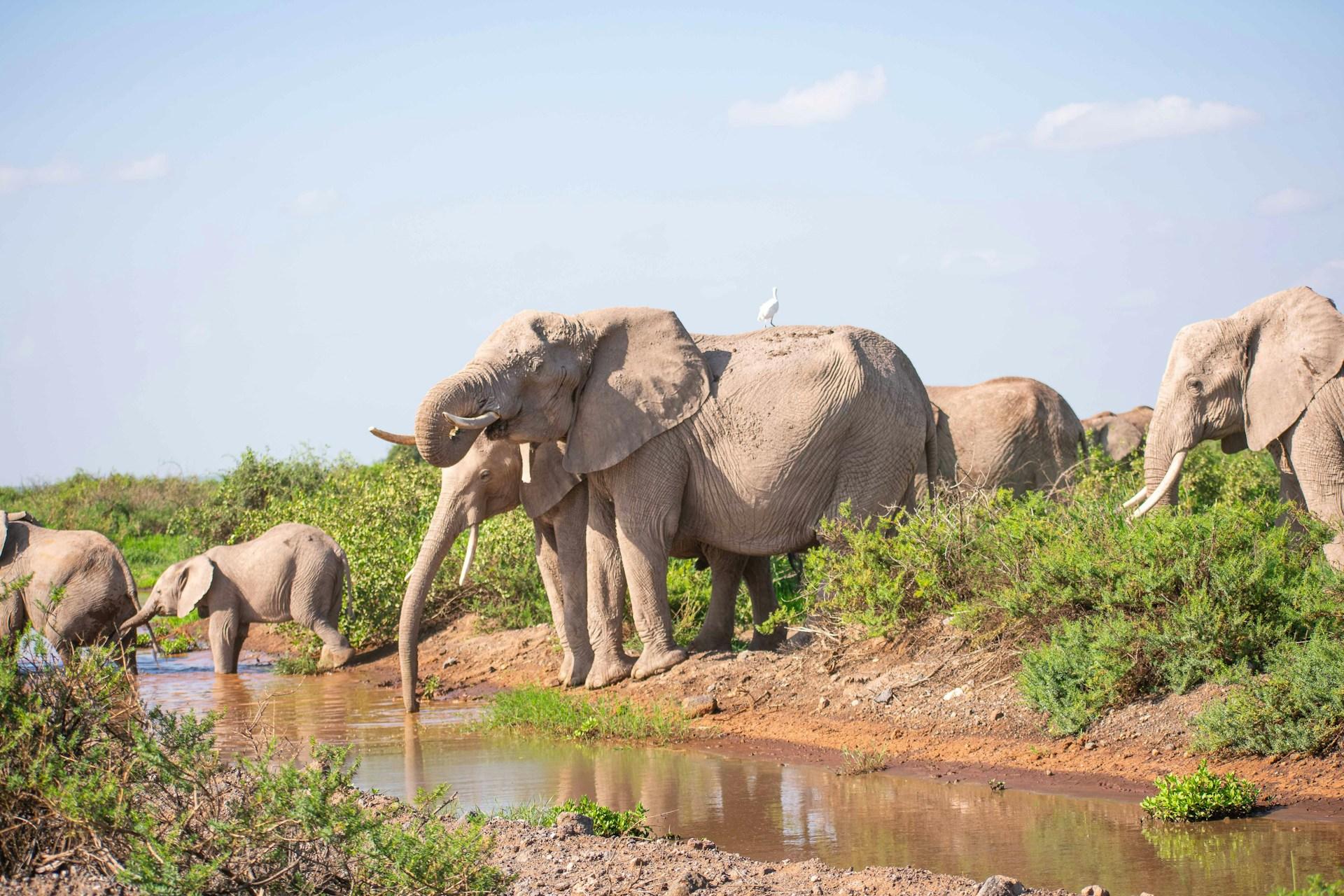
Planning your first safari in Kenya? From choosing the right destination to understanding game drives, packing, and the best time to travel, here are five practical things every first-time safari traveller should know.
5 Things to Know Before Your First Kenya Safari
A first safari in Kenya is an experience you are unlikely to forget. From watching elephants move across the plains of Amboseli to seeing lions resting after an early morning hunt in the Maasai Mara, there is something special about experiencing Kenya in the wild.
However, your first safari is also a very different type of holiday from a typical beach or city trip. The distances can be long, mornings can start early, and every day in the bush is different.
If you are planning your first Kenya safari, here are five important things to know before you travel.
1. Choose the right destination for your trip
Kenya has many wildlife areas, and each one offers a different experience.
The Maasai Mara is one of the country's most famous safari destinations. It is particularly known for its large concentrations of wildlife and the annual wildebeest migration, when huge herds move through the Mara ecosystem.
Amboseli offers a completely different atmosphere. The park is famous for its large elephant herds and spectacular views towards Mount Kilimanjaro on clear days.
Tsavo East and Tsavo West are among Kenya's largest protected areas. They are a good choice for travellers who want a more spacious wilderness experience, with opportunities to see elephants, lions, giraffes, zebras and many other species.
Lake Nakuru is known for its rhino population and beautiful landscapes around the Rift Valley lake. It can also work well as part of a safari combined with the Maasai Mara.
The best destination depends on how many days you have, what animals you hope to see, the time of year you are travelling and whether you want to combine your safari with Kenya's coast.
2. Do not expect to see everything in one day
One of the biggest differences between a safari and a normal sightseeing holiday is that wildlife sightings cannot be guaranteed.
You may spend several hours driving through the park before suddenly coming across a pride of lions, a herd of elephants or a leopard resting in a tree.
That unpredictability is part of what makes safari special.
Game drives usually take place in the early morning and later afternoon because wildlife tends to be more active during the cooler parts of the day. Your guide will constantly look for tracks, movement, calls from birds and other signs that can lead to an interesting sighting.
Instead of trying to see every animal, take time to enjoy the experience itself. The landscapes, sounds and smaller details of the bush are just as much a part of the safari as the famous Big Five.
3. Pack for comfort, not just photographs
It is tempting to pack a safari wardrobe based entirely on photographs, but comfort should come first.
Lightweight clothing is practical during the day, while a warm layer is useful for early morning game drives when temperatures can be surprisingly cool.
Comfortable closed shoes are also recommended, particularly if your itinerary includes walking or activities outside the vehicle.
Other useful items include sunscreen, sunglasses, a hat, insect repellent and a reusable water bottle.
Binoculars can make a major difference. Some animals may be far away, and binoculars allow you to appreciate details that are difficult to see from the vehicle.
A camera with a reasonable zoom lens is also useful, but you do not need expensive professional equipment to enjoy photographing Kenya's wildlife.
Most importantly, leave some space in your luggage for the memories and experiences you will take home.
4. Your guide can make a big difference
A safari vehicle takes you into the national park, but your guide helps you understand what you are seeing.
An experienced guide knows the roads, wildlife behaviour and local environment. They can explain why elephants behave differently in certain situations, help identify birds and smaller animals, and understand where wildlife is commonly found.
A good guide will also help you enjoy the safari responsibly.
Wild animals should always be given space, and visitors should follow park regulations. Staying inside the vehicle where required, avoiding loud noises and never attempting to feed wildlife are simple ways to protect both visitors and animals.
When planning your safari, consider the experience of the guiding team as carefully as you consider the vehicle and accommodation.
5. Leave time for Kenya beyond the safari
Kenya is much more than its national parks.
After spending several days in the bush, many travellers enjoy continuing to the Kenyan coast for a few days of rest.
Watamu is an excellent example of how different Kenya can feel after a safari. The area is known for its beaches, marine environment, coral reefs and relaxed coastal atmosphere.
You can combine a wildlife safari with activities such as a dhow experience, a visit to Watamu Marine Park, a Safari Blue excursion or simply time on the beach.
This combination gives you two very different sides of Kenya in one journey: the wildlife of the interior and the Indian Ocean coast.
Planning your first Kenya safari
There is no single perfect Kenya safari.
A couple looking for a romantic experience may want a private itinerary with comfortable lodges and time to slow down. Families may prefer shorter driving days and accommodation that is convenient for children. First time visitors with limited time may want to concentrate on one or two destinations rather than trying to cover too much ground.
The important thing is to build the journey around your interests, available time and budget.
At Bahari Asili Safaris, we help travellers plan private and personalised journeys across Kenya, from classic wildlife safaris to beach holidays and experiences along the Kenyan coast.
Whether you are travelling with family, friends, as a couple or on your own, we can help you put together an itinerary that makes sense for your trip.
Kenya is waiting.
Your first safari should not feel rushed. Take your time, listen to your guide, watch the landscape and allow the unexpected moments to become part of the story.
Ready to plan your Kenya safari?
Tell us when you would like to travel, how many people are joining you and what you would like to experience.
Our team can help you plan a Kenya journey that combines wildlife, culture, nature and the coast according to your travel Plan My Safari.